
Burner Working Principle and Operating Parameters | Industrial Oil & Gas Burner Guide
I. Working Principle of the Burner
Liquid or gaseous fuel is burned in the radiation chamber (furnace) of the burner, producing high-temperature flue gas, which serves as a heat carrier and flows to the convection chamber before being discharged from the chimney.
The crude oil to be heated first enters the furnace tubes in the convection chamber of the burner, with an initial temperature typically around 29°C. The tubes primarily absorb heat from the flue gas flowing through the convection chamber via convection.
This heat is then transferred from the outer surface of the tubes to the inner surface through conduction, and further conveyed to the flowing crude oil inside the tubes via convection.
After that, the crude oil moves from the convection chamber tubes into the radiation chamber tubes.
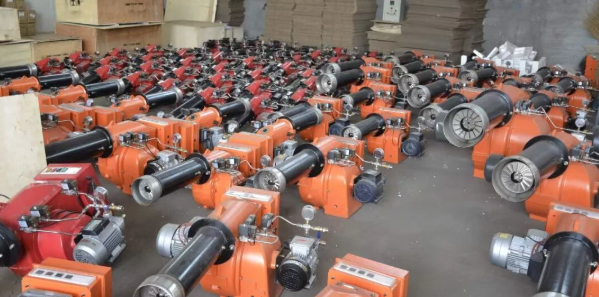
Heat Transfer in the Radiation Chamber
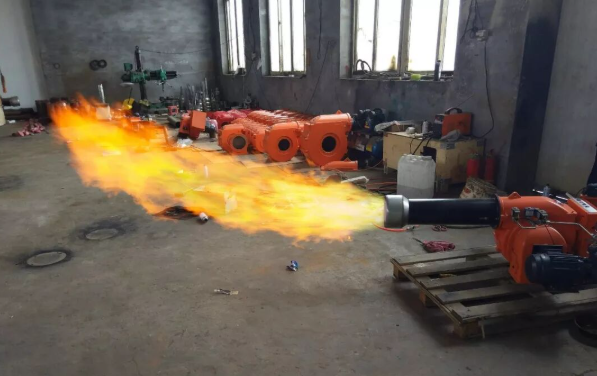
In the radiation chamber, the flame from the burner transfers heat mainly through radiation:
- One portion is radiated directly to the outer surface of the tubes
- The other portion is radiated to the furnace walls lined with the tubes
These walls, in turn, radiate heat to the outer surface of the tubes on the opposite side.
Together, these two sources of radiative heat raise the temperature of the outer surface of the tubes, creating a temperature difference with the inner surface of the tube wall. Heat flows inward through conduction, and the flowing crude oil inside the tubes continuously absorbs this heat via convection, thereby fulfilling the process requirement of heating the crude oil.
Factors Affecting the Heating Capacity of the Burner
The heating capacity of the burner depends on the following factors:
- The intensity of the flame (furnace temperature)
- The surface area of the furnace tubes
- The overall heat transfer coefficient
A stronger flame results in a higher furnace temperature, increasing the temperature difference between the furnace and the oil flow and enhancing heat transfer.
A larger surface area of the tubes in contact with the flame and flue gas also increases heat transfer. Better thermal conductivity of the tubes and a more efficient furnace structure further contribute to heat transfer.
The intensity of the flame can be adjusted by controlling the burner nozzle. However, for a furnace with a fixed structure, the furnace temperature stabilizes at a certain value under normal operating conditions and does not continue to rise.
The overall heat transfer coefficient of the tube surface is relatively constant for a given furnace, so the heating capacity of each furnace operates within a specific range.
In practice, incomplete combustion of the flame and coking of the furnace tubes can affect the burner’s heating capacity. Therefore, it is essential to ensure complete combustion by controlling the burner and to prevent localized overheating and coking of the furnace tubes.
II. Operating Parameters of the Burner
1.Furnace Temperature (Baffle Wall Temperature)
Furnace temperature generally refers to the temperature of the flue gas leaving the radiation chamber, i.e., the temperature before the flue gas enters the convection chamber or the temperature in front of the radiation chamber’s baffle wall.
It is a critical parameter for burner operation.
In the furnace (radiation chamber), the heat generated by fuel combustion is transferred to the tubes through radiation and convection. The amount of heat transfer depends on the furnace temperature and the tube wall temperature.
The heat absorbed by the crude oil from the burner is primarily through radiation. Radiative heat transfer is proportional to the fourth power of the absolute temperature of the flame.
Therefore, in high-temperature zones, radiative heat absorption is more effective than convective heat absorption.
Absorbing the same amount of heat requires less radiative heat transfer surface area and, consequently, less metal consumption compared to convective heat transfer.
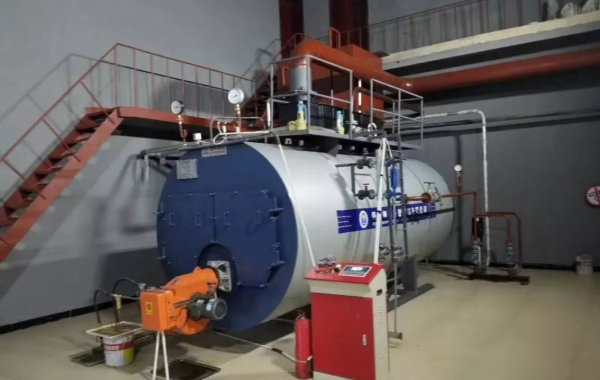
Furnace Temperature Selection and Operational Risks
The furnace temperature selected during design determines the proportion of heat absorption between the radiative and convective heat transfer surfaces of the burner.
A higher furnace temperature increases heat transfer in the radiation chamber, making the furnace temperature a sensitive indicator of the outlet temperature.
However, from an operational perspective, excessively high furnace temperatures can lead to:
- Excessive thermal intensity in radiation chamber tubes
- Localized overheating and coking
- Damage to convection chamber tubes
- Increased exhaust gas temperature
- Reduced thermal efficiency
Therefore, furnace temperature is an indicator for ensuring the long-term safe operation of the burner.
In oil-fired burners, the furnace temperature should not exceed the exhaust gas temperature.
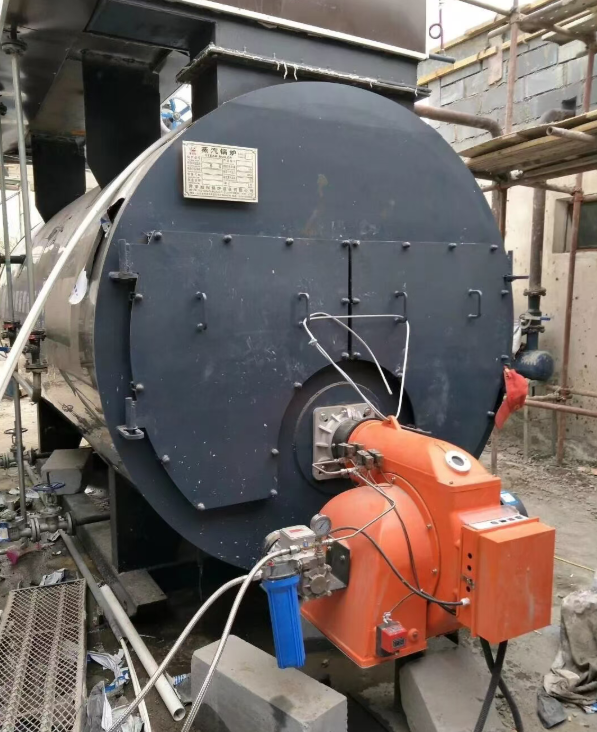
2.Exhaust Gas Temperature
Exhaust gas temperature refers to the temperature of the flue gas leaving the last set of convective heat transfer surfaces and entering the chimney.
This temperature should not be too high, as it would result in significant heat loss.
During operation, the exhaust gas temperature should be controlled. Under conditions of negative pressure and complete combustion, efforts should be made to lower the exhaust gas temperature.
Adjustments to the exhaust gas temperature are typically made by controlling the air intake, i.e., adjusting the excess air coefficient.
Lowering the exhaust gas temperature:
- Reduces exhaust heat loss
- Improves thermal efficiency
- Saves fuel consumption
- Lowers operating costs
However, if the exhaust gas temperature is too low, the temperature difference between the flue gas and the heat transfer medium at the end of the convective heat transfer surface decreases, increasing:
- Metal consumption of the heat transfer surface
- Burner investment cost
Therefore, selecting the exhaust gas temperature requires an economic evaluation.